Choosing the Right Fishing Line
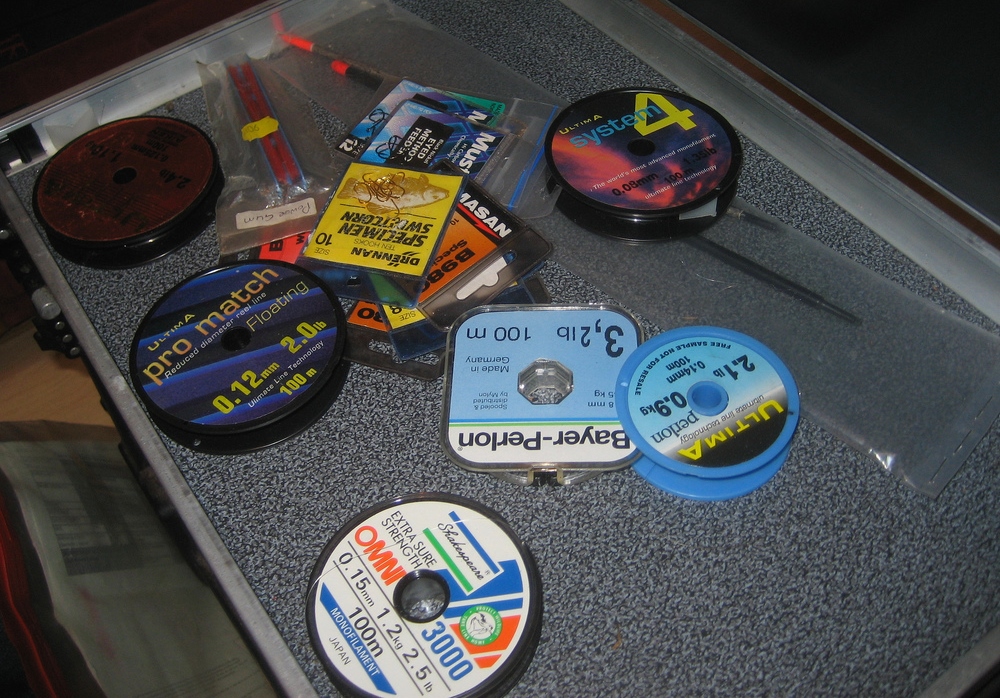
It doesn’t matter whether you are an amateur angler or a professional deep sea fisherman, the type and quality of the fishing line you use can mean the difference between fishing success and failure. With so many different sorts of line on the market, choosing the proper line to use for different conditions can be daunting. These tips will help any angler make an informed decision.
- First off, decide where you’ll be fishing. Areas with heavy vegetation call for a tough, thin line, like braid or fusion. Fluorocarbon lines are a great choice for clear water, as they refract light and become invisible beneath the surface. Monofilament lines work well in rough, rocky areas as do braid and fusion lines.
- Determine the amount of stretch you need. The more a line stretches, the more forgiveness you will get when reeling in a big fish. Less stretch means more sensitivity. Monofilament line offers a 15 to 30 percent stretch. Fluorocarbon provides less stretch, and braid has none.
- What type of reel will you be using? Spin cast reels are best suited to a thin, limp line. A stiffer line works better on bait-casting reels.
- Consider visibility. Opt for a clear line when fishing in clear waters like streams or lakes. Choose a dark green line for waters with heavy vegetation. Dark or muddy waters call for a brown line. Fluorescent lines, designed for increased visibility by the fisherman, are available yet appear to be just as visible to the fish.
Tip: Fishing line ages quickly so buy from stores that sell a high volume and turnover products quickly.